

The CGM SKD model: local production, global standards.
Verid Bio was the first CGM provider to enable SKD/CKD production models overseas. Keep your own brand, your own registration and your own market — with the sensor engineering already solved.
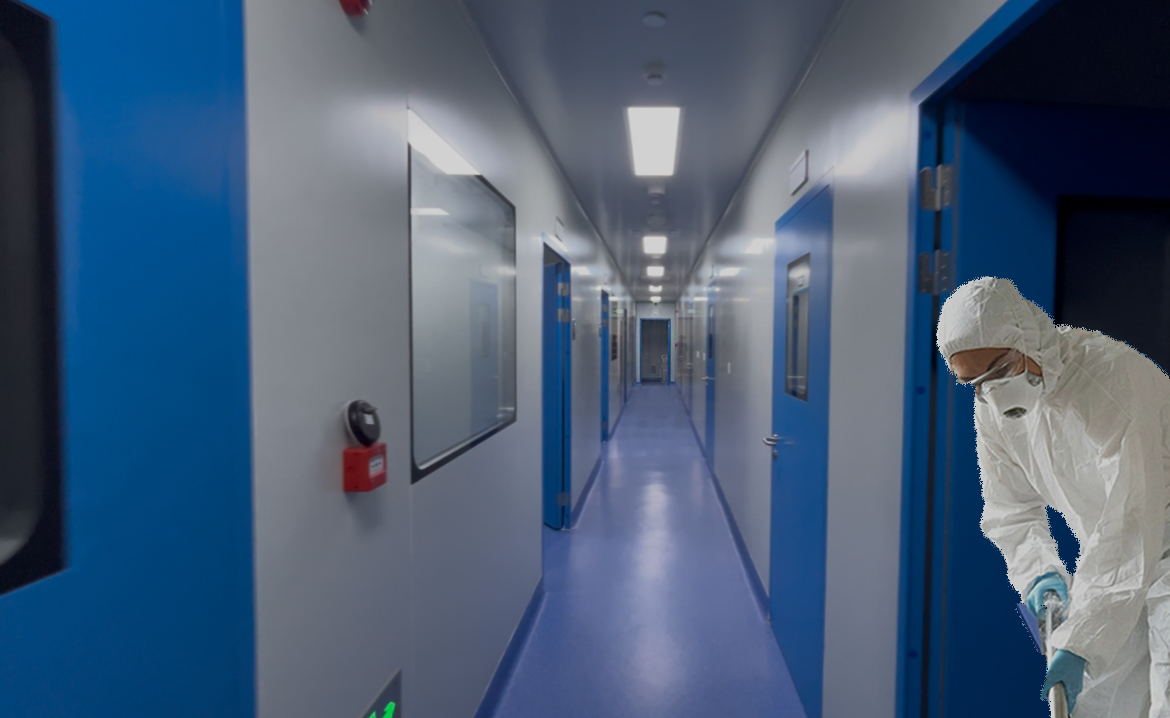
What is Semi Knock-Down (SKD)?
SKD means the original manufacturer supplies semi-finished products to your facility for secondary processing — enabling completion of finished product production, compliance and sales in your own market.
Key advantage: it leverages the strengths of both parties for medical device compliance, tariff optimization and regulatory policy adaptation.
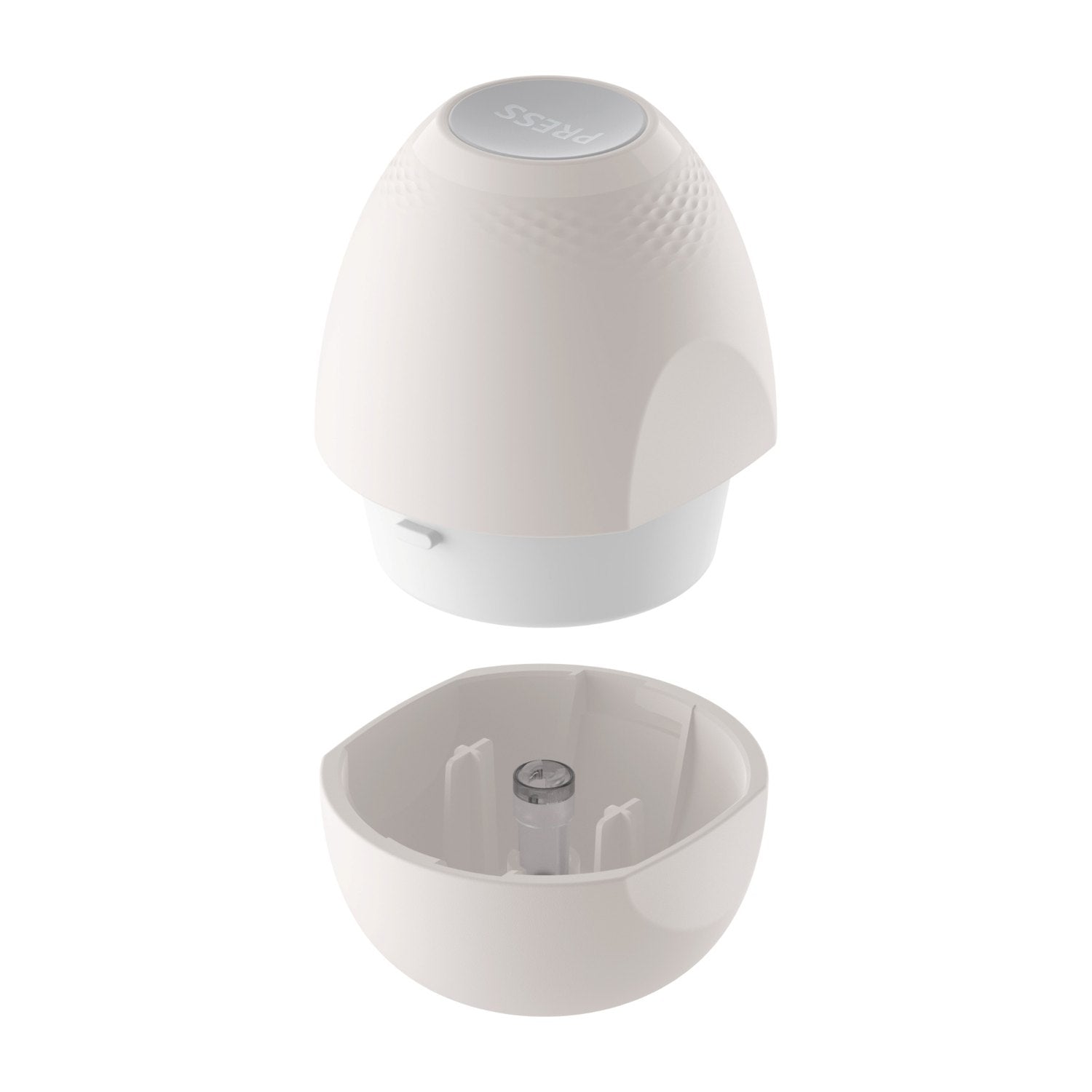
Every kit starts with a finished sensor
Electrode fabrication, membrane coating, calibration and final QC all happen on our line. What ships to you is a sterilized, calibrated sensor — your team adds the housing, the packaging and the local registration.
This division of work is what keeps your cleanroom requirement to final assembly only, and keeps the process-critical steps under engineering control.
What is inside a CGM SKD kit?
The engineering-intensive work stays with us — electrode fabrication, membrane coating, calibration and QC. Your team completes final assembly of a defined component set.
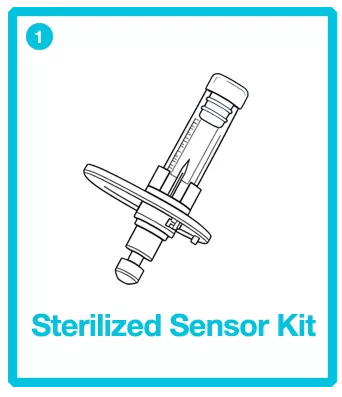
Sterilized Sensor Kit
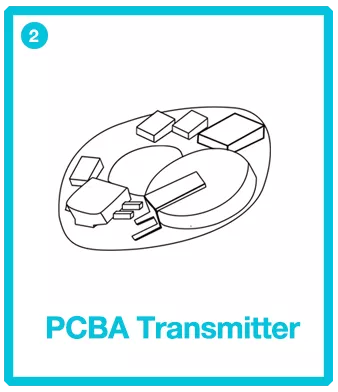
PCBA Transmitter
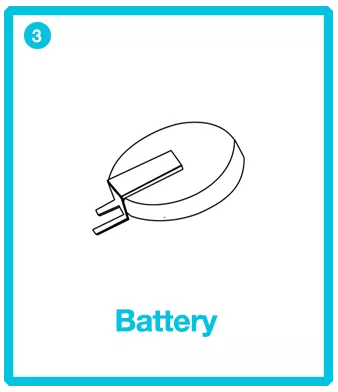
Battery
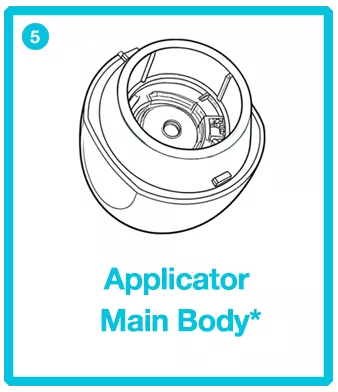
Applicator Main Body
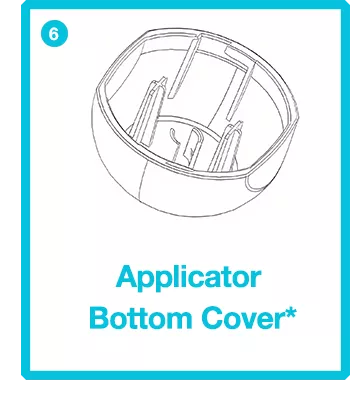
Applicator Bottom Cover
Assembly connections are designed as guided snap-fit operations, with SOPs and training provided during enablement.
How the SKD partnership works
Requirement alignment
Share your company profile, target market and resources. We assess feasibility and the right kit configuration.
NDA & in-depth assessment
Evaluate a sample kit while both sides assess your local regulatory route.
Formal agreement
Kit configuration, pricing, MOQ, branding scope and assembly standards — defined in writing.
First shipment & enablement
Kits, training material, assembly SOPs and the documentation package for your registration.
Local certification & supply
You lead local approval using the technical file. We keep supplying components as you scale.
OEM vs. distribution vs. SKD
The differences are mostly about where the device is finished — and therefore who holds which obligation.
| Dimension | OEM / finished goods | Standard distribution | SKD with Verid Bio |
|---|---|---|---|
| What arrives | Finished, certified device | Finished device, your brand licence | Core components, tested and calibrated |
| Who finishes the device | Manufacturer | Manufacturer | Your team, with SOPs and training |
| Local investment | Distribution only | Distribution and marketing | Assembly area, cleanroom, trained staff, registration |
| Duty / local content | Imported finished device | Imported finished device | Locally manufactured treatment |
| Registration holder | Manufacturer | Manufacturer (brand licence) | Your organisation, with our technical file |
| Tender eligibility | Limited | Limited | Local-content programmes open |
| Brand and lifecycle control | Packaging only | Packaging and channel | Packaging, manual, language, app |

Your brand, through the whole product
SKD carries your branding beyond the device. Packaging, manual and the companion app can all ship under your brand — real-time readings, trend curves and TIR reporting included. You own the customer relationship; we keep the platform certified and updated.
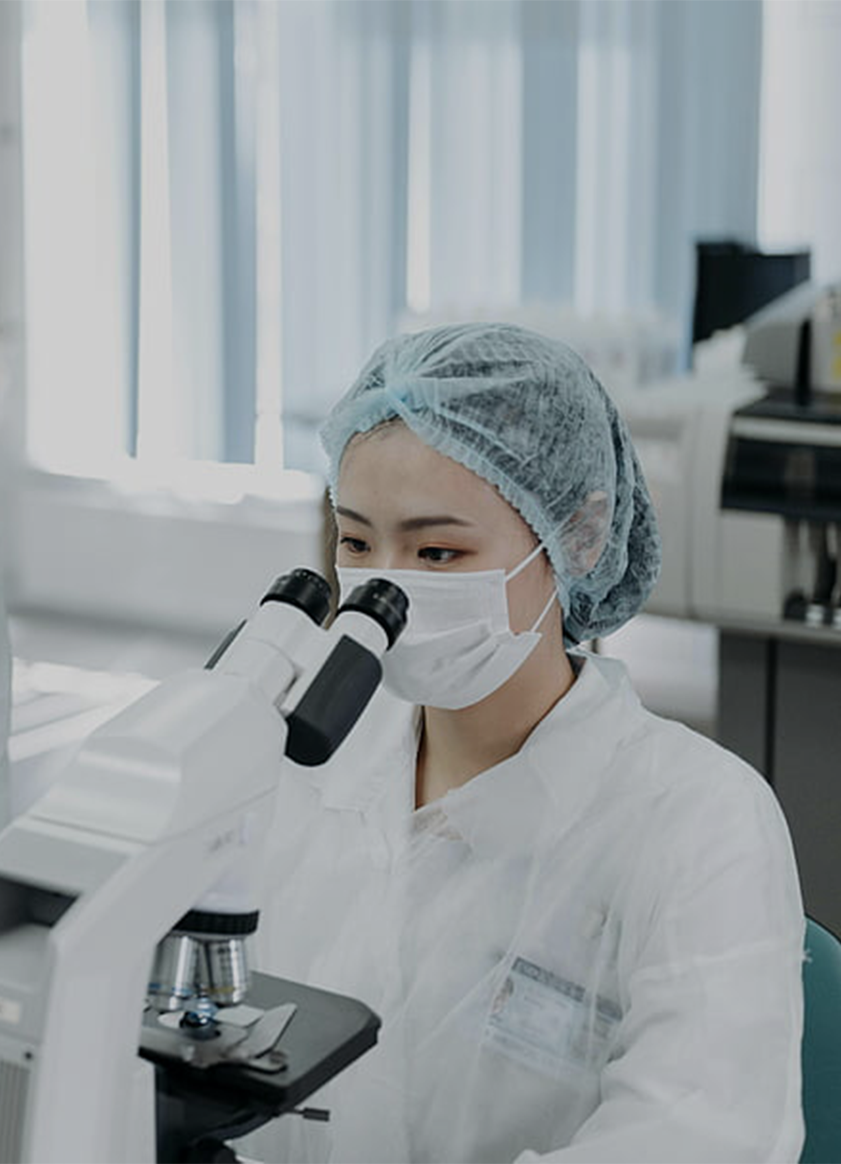
What your facility needs
Most partners start with three requirement areas — none of them beyond reach for an organisation that already serves patients.
CGM SKD questions, answered
Is CGM SKD the same as OEM?
How difficult is local assembly?
Do I need a cleanroom?
Can I start with a pilot order?
Who holds the local registration?
Do you limit the number of SKD partners per country?
Ready to build your local CGM production?
Request a sample kit, discuss your market requirements, or explore partnership options with our team.
Contact us